Efficient Emergency Service Florence Landscaping
Uncover the Crucial Services Provided by a Professional Arborist for Maintaining Healthy Trees
A professional arborist provides numerous services crucial for maintaining healthy trees and beautifying outdoor spaces. Their expertise in tree pruning encourages growth and lessens dangers. They also diagnose and manage tree diseases, ensuring tailored treatment plans are established - Florence Arborist. Additionally, arborists handle safe tree removals and can assist with planting and transplanting. Their role is especially important during emergencies such as storm damage. Understanding these services can profoundly influence one’s approach to tree care
The Necessity of Tree Pruning
Although many homeowners often neglect the importance of tree pruning, it is crucial in preserving the health and aesthetics of trees. Proper pruning aids trees in developing a robust structure, removing dead or diseased branches that could create hazards. By carefully cutting branches, the tree can focus its energy on healthy growth, fostering superior air movement and sunlight penetration. Additionally, pruning can boost the aesthetics of the tree, shaping it for aesthetic appeal in residential landscapes.
Moreover, regular pruning can avert future risks, such as dropped branches during storms or high winds, which could damage property or hurt people. It also assists in avoiding of pest outbreaks and diseases by boosting the tree's resistance. Ultimately, retaining expert arborist services for tree pruning ensures trees stay healthy, safe, and aesthetically appealing, adding significantly to the overall beauty and value of the property.
Diagnosing and Managing Tree Diseases
Tree health can be significantly impacted by various diseases that may not always be instantly obvious. A professional arborist plays an essential role in diagnosing these conditions early, utilizing a combination of visual inspections and diagnostic tools. Symptoms such as unusual leaf coloration, wilting, or abnormal growth habits often point to underlying wellness concerns. Arborists evaluate these signs to identify specific diseases, whether fungal, bacterial, or viral in nature.
Following the diagnosis, the arborist develops a customized plan of action. This may include targeted treatments, such as chemical controls, and maintenance techniques that boost the tree's resistance. In addition, proper watering, mulching, and fertilization can considerably improve tree health and ability to fight off illness. Regular monitoring and further interventions are necessary for effective management, ensuring the longevity and health of the trees. By taking a proactive approach to tree diseases, tree specialists ensure the environmental value and aesthetic appeal provided by healthy trees.
Best Practices for Tree Felling
Effective tree removal practices are necessary to ensure the safety of the crew and limiting harm to surrounding property. Qualified professionals utilize a comprehensive evaluation of the state of the tree, its location, and the surrounding environment before proceeding with removal. Arborists use specific tools, such as ropes and cutting tools, to guarantee precise cuts and manage the tree during its descent.
A well-planned removal strategy requires recognizing risks, such as structures or overhead wires, which can impact the safety of the operation. Professionals commonly utilize the process called "sectional dismantling," where the tree is cut down in small sections, minimizing the danger from falling material.
Furthermore, arborists adhere to local rules and standards to ensure adherence and environmental stewardship. Once the tree is down, thorough clearing and removal of the remaining wood and brush, stump treatment as well, contribute to the overall safety and visual appeal of the area.
Tree Planting and Relocation
The process of tree establishment demands close attention of choosing the location and planting techniques to guarantee long-term health and development. Choosing the correct site significantly influences a tree's development, and correct installation techniques minimize stress and encourage the tree to thrive. Professionals stress these considerations as vital for boosting the health and lifespan of trees in all environments.
Choosing the Right Location

Finding the perfect spot for relocating or establishing trees is critical to their sustained health and success. Considerations including the condition of the soil, sunlight exposure, and water runoff must be thoroughly assessed. Trained tree experts examine the specific site conditions, to guarantee that the chosen spot provides adequate nutrients and stability for the specific tree type. Additionally, the nearness to established constructions and other plants is crucial to stop the fight for nutrients and steer clear of future injury. Tree specialists also factor in the tree’s mature size and root structure, making sure there is ample room to expand. Through a comprehensive site evaluation, arborists enable clients choose wisely that foster robust, flourishing trees, which boosts the landscape’s visual appeal and natural benefits.
Optimal Planting Methods
After the location is thoroughly evaluated and chosen, the subsequent phase requires using optimal methods for planting trees. Preparing the planting hole correctly is crucial; it should be twice the width of the root ball and professional tips no deeper than the root system itself. The plant must be positioned in the opening so that the upper surface of the roots aligns with the adjacent ground. Fill the hole with local earth, checking that all voids are filled, and water thoroughly to help the roots settle in initially. Mulching around the base aids in water retention and suppress weeds. Florence Arborist. For transplanting existing trees, care must be taken to reduce root trauma and relocate the plant in its resting phase for the greatest likelihood of thriving. Following these techniques promotes robust development and long life
Emergency Response to Storm Damage
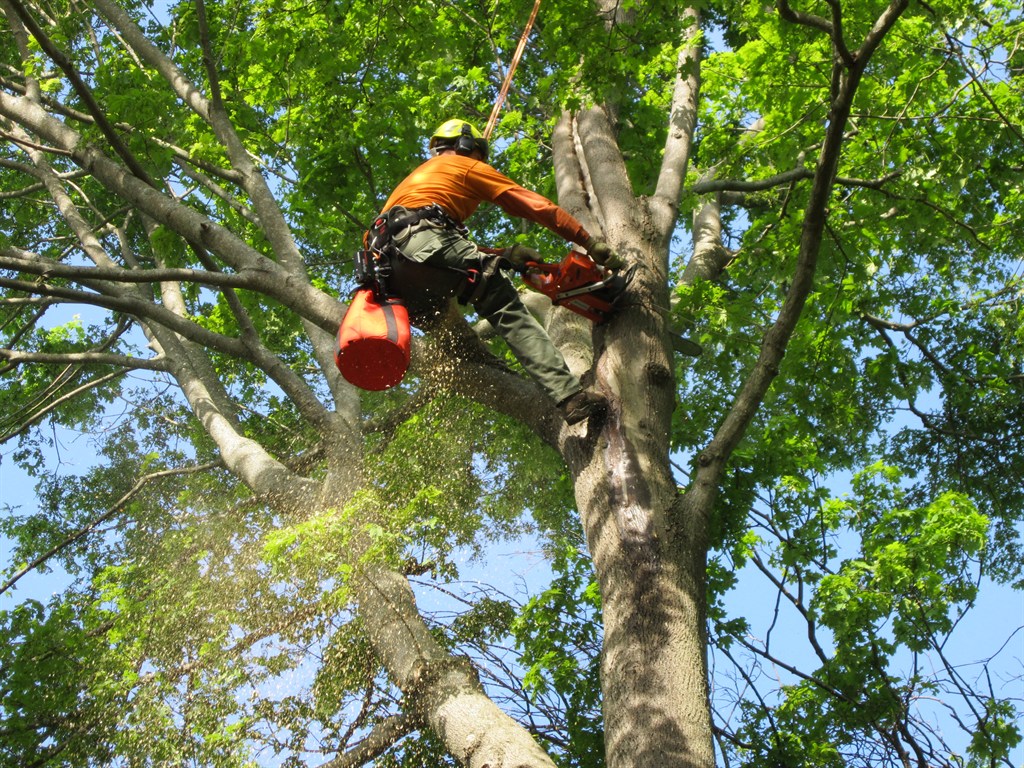
After powerful weather events occur, the aftermath can leave trees in hazardous situations, posing risks to property and safety. Certified tree experts are crucial in emergency response, evaluating storm-damaged trees to gauge their soundness and condition. Their knowledge enables them to determine which plants can be saved and which are serious, instant risks that require extraction.
Using professional equipment, tree experts are able to securely trim fractured limbs and remove wreckage, reducing additional harm to surrounding areas. The experts also give useful recommendations on precautionary steps, such as selecting resilient tree species for upcoming installations.
Apart from the initial cleanup, arborists help homeowners understand the possible lasting consequences of the storm, giving counsel on how to repair and revive. By responding rapidly and capably, certified tree experts safeguard assets but also contribute to the restoration of the local environment after severe storms.
Tree Nutrition and Ground Care
After the devastation caused by storm damage, focus shifts to the condition of surviving trees, underscoring the importance of nutrient assistance and ground care. A professional arborist checks ground quality and tree health to determine specific nutritional needs. Trees need key nourishment, like nitrogen, phosphorus, and potassium, to recover and thrive after stress events.
Soil management is crucial for how nutrients are accessed and root development. Arborists may recommend soil amendments, including organic matter, to enhance the ground's composition and microbial activity. Proper pH levels are also evaluated, as they influence nutrient uptake.
Using mulching methods can help the soil hold water and suppress weeds, creating an ideal environment for trees to heal. By developing a thorough nutritional plan and using smart soil maintenance methods, arborists guarantee trees regain strength, resilience, and total well-being, vital for keeping the environment stable in the wake of major environmental events.
Questions and Answers
How Often Should I Have My Trees Inspected?
Trees should be checked annually for optimal condition. Nevertheless, more regular inspections may be necessary for younger trees, post-major weather incidents, or if any signs of distress or disease are observed.
What Qualifications Should I Look for in an Arborist?
In your search for a tree expert, one should look for credentials like ISA (International Society of Arboriculture) accreditation, applicable work history, adequate protection, and a good standing within the community, guaranteeing skill in tree care and safe procedures.
Do Arborists Utilize Special Equipment for Tree Care?
Arborists utilize various specialized tools for tree care, like chainsaws, pruning shears, climbing gear, and stump grinders. Each tool serves a specific purpose, facilitating good care, pruning, and tree extraction while promoting overall health and safety.
How Do Weather Conditions Affect Tree Health?
The climate significantly affects tree health; excessive rain can lead to root rot, while lack of water weakens trees. Temperature extremes can damage leaves and branches, consequently impacting development, sturdiness, and overall strength of the trees.
Am I able to care for my trees personally, or Should I use a professional service?
While some basic tree care tasks can be performed by individuals, it's often wise to employ a professional - Florence Arborist. Specialists are equipped with unique expertise and gear, making certain the trees obtain the appropriate care required for the best possible health and growth